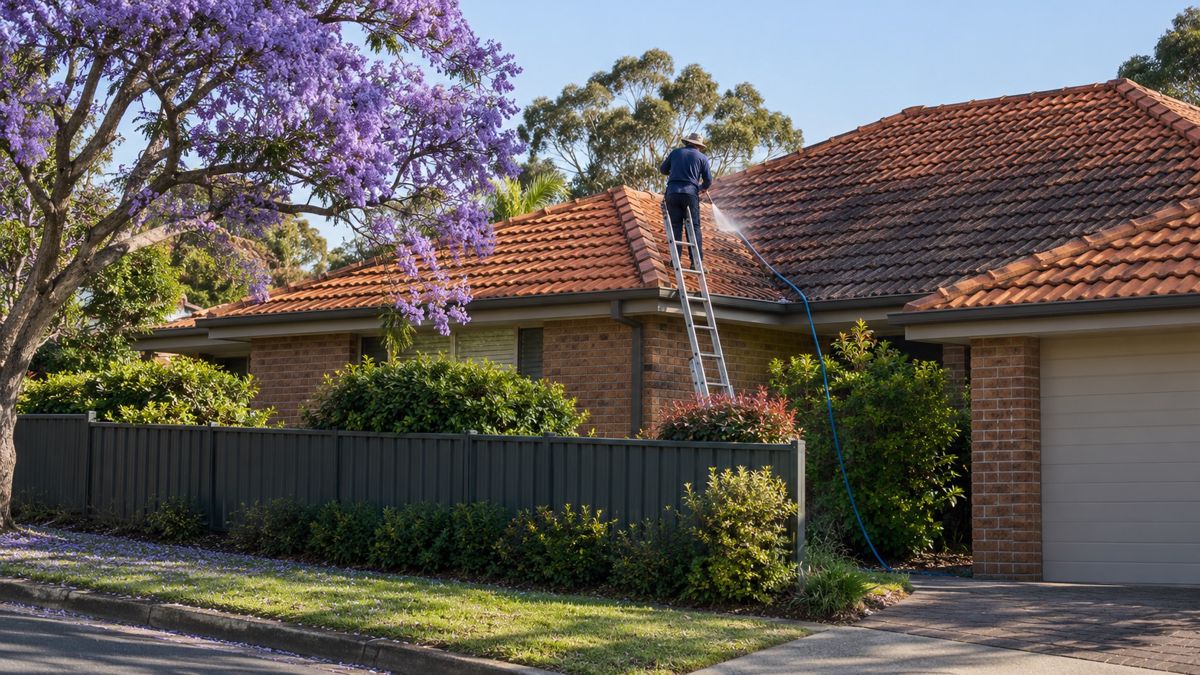
High pressure washing can damage a roof because the force of the water is stronger than the surface was built to take. It can lift or crack tiles, strip the protective layer, scratch paint and push water under the roof covering. Soft washing, which uses a cleaning solution and a gentle rinse, is the safer way to remove algae and moss.
A quick note on the word shingles. In Sydney, most roofs are concrete or terracotta tile, or Colorbond steel. Asphalt shingles are less common here, though you will see them on some homes. The risks below apply to shingles and to the roofs you are more likely to have.
What does high pressure actually do to a roof?
A roof is a layered surface designed to shed rain from above, not to resist a jet of water aimed up the slope. A pressure washer sends water at speed from a narrow tip. That force can do four things.
- It strips the outer surface, such as the colour coat on a tile, the granules on a shingle or the paint on metal.
- It lifts and cracks tiles and shingles that are old, brittle or loosely fixed.
- It drives water sideways and upwards under overlaps, where rain would normally never reach.
- It loosens the mortar or sealant at ridges, valleys and flashing.
The damage is not always visible on the day. A roof can look cleaner while its surface layer is wearing away, and the problem shows up as leaks or fast regrowth months later.
Which Sydney roof types are most at risk?
Each material fails in its own way, so it helps to know what you have.
Concrete tiles
Concrete tiles carry a surface coat that gives them their colour. High pressure can wear that coat away, leaving a rough, porous tile that holds moisture and grows algae faster than before.
Terracotta tiles
Terracotta is durable, but older tiles can be brittle and the glazed or coloured finish can be stripped. Ridge capping is bedded in mortar, which can crack or loosen.
Colorbond and metal sheets
Painted steel is tough but not scratch-proof. Hard spray and a nozzle held too close can mark or lift the finish, and the sheet laps can let water in.
Asphalt shingles
Shingles lose protective granules under pressure. Once granules are gone, the roof ages faster and may need replacing sooner.
Older fibro sheeting
Some older homes have asbestos cement roofs. These must not be pressure washed at all, because damaged sheeting can release fibres. If your home dates from before the late 1980s and the roof is flat or corrugated sheet, get it identified first.
What is soft washing, and why is it gentler?
Soft washing uses low pressure, close to a garden hose, with a cleaning solution that kills algae, lichen and moss at the root. The solution is applied, left to work, then rinsed off at low pressure. The cleaner does the work instead of force.
This matters because black streaks are living growth. High pressure can blast the top layer off but leave roots in the pores, so the growth returns quickly. A solution that reaches those roots gives a more even clean without scarring the surface.
Could pressure washing void a roof warranty?
It might. Manufacturers of tiles, coatings and metal roofing often publish care instructions, and some say that high pressure washing is not allowed. If damage can be traced to a method the manufacturer warns against, a warranty claim may be refused. We cannot say what any particular warranty covers, since terms differ between products and installers.
If you have the paperwork for your roof, read the section on cleaning. If you do not, ask the installer or manufacturer. It is also worth keeping a record of who cleaned the roof, when and with which method.
What are the signs a roof was washed too hard?
Look for these after a clean, and again after the next heavy rain.
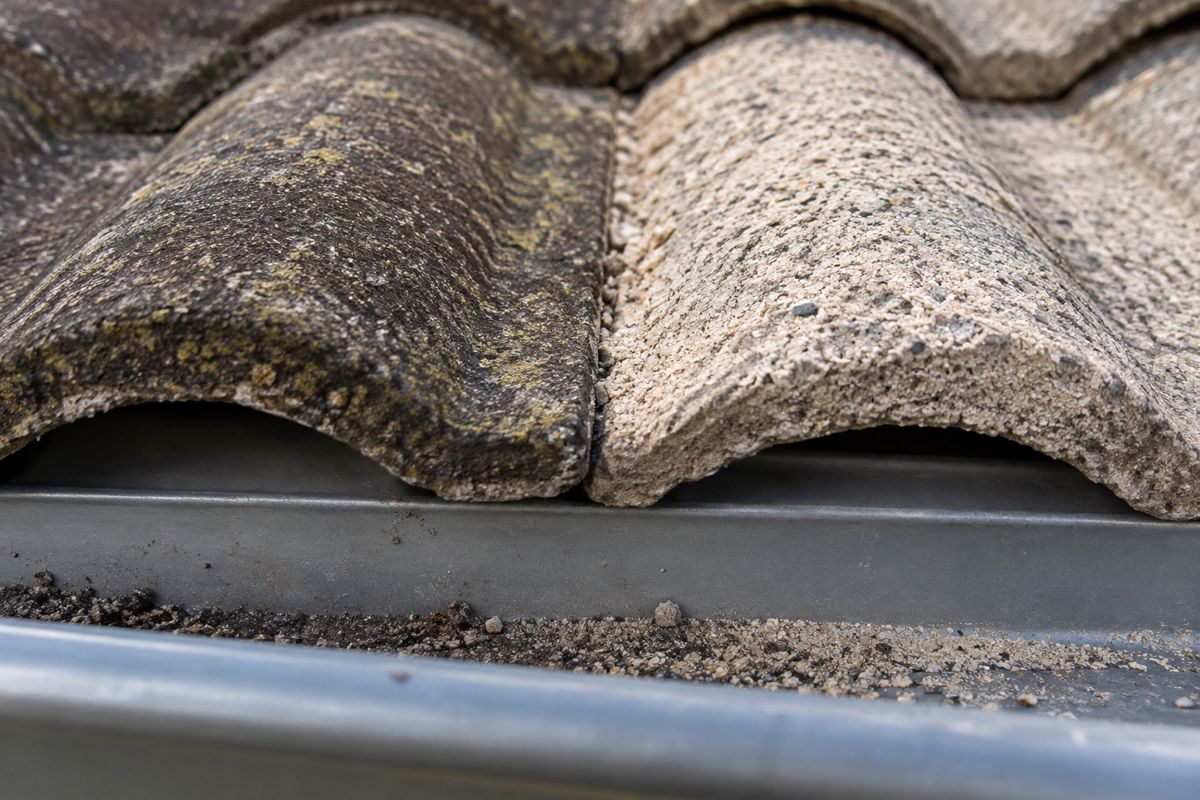
- Tiles with a rough, chalky or faded surface where the colour used to be.
- Cracked or slipped tiles, or loose ridge capping.
- Fine grit in the gutters, which can be the surface layer washing away.
- New damp patches, stains or drips on ceilings inside.
- Scratches or bare patches on metal sheets.
- Algae returning much faster than expected.
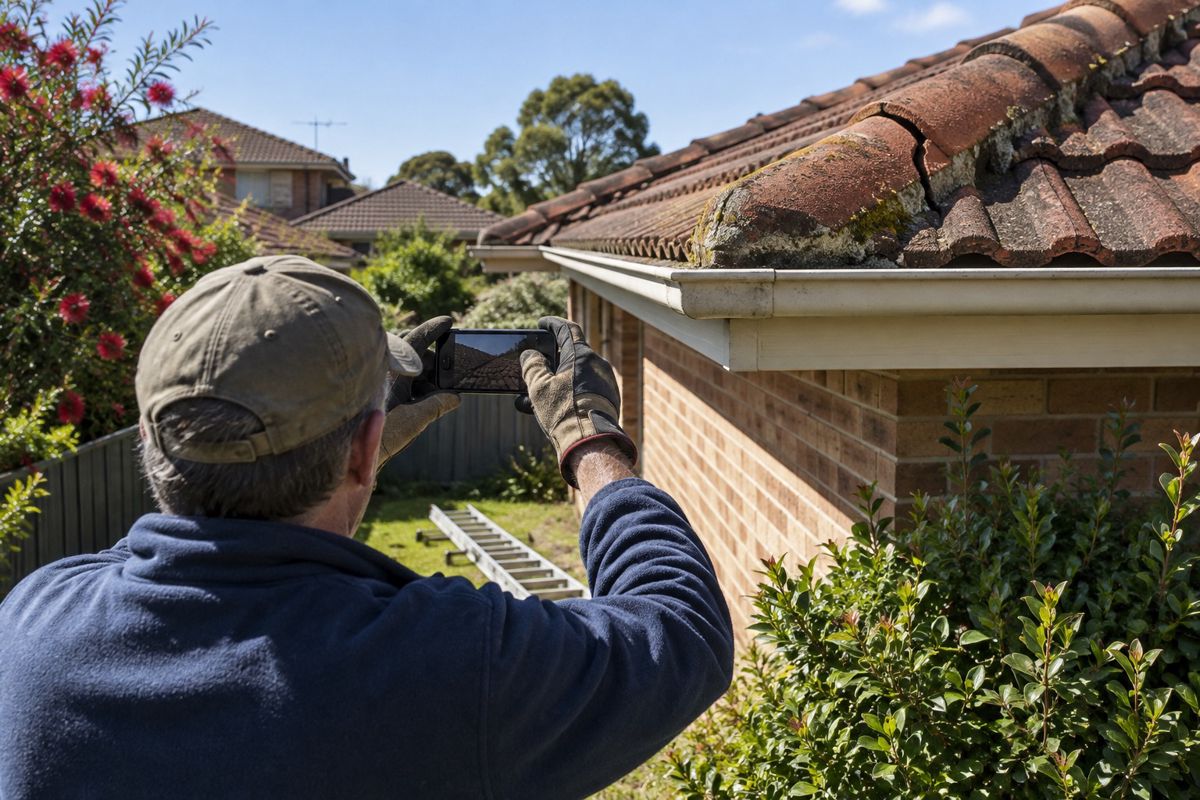
If you notice any of these, photograph them and call a roofer for an inspection. Do not wait for a leak to get worse.
Is it safe to wash the roof yourself?
Hiring a ladder and a pressure washer looks cheap, but roof work carries real risk. Falls from roofs and ladders cause serious injuries every year in Australia. A roof covered in algae is slippery, and wet tiles and painted steel are worse. Overhead power lines near the eaves add another danger.
There is also the matter of where the water goes. Roof runoff carries algae, grit and cleaning solution into the gutters, and from there to the stormwater drain. In Sydney, the general rule is that only rain should enter the stormwater system, and council rules vary. If your downpipes feed a rainwater tank, disconnect it before cleaning.
If you do decide to tackle small areas yourself, stay at ground level, use a hose with a brush and a suitable cleaner, and avoid walking on tiles. For anything on a roof, hire someone who works at height every week.
How do you choose someone to clean your roof?
Ask a few plain questions before you agree to any price.
- Which method will be used, and what pressure?
- How will the crew reach the roof and prevent falls?
- Can they show proof of insurance, and do they hold the relevant licences for the work?
- How will plants, gutters, tanks and runoff be protected?
- Is the quote in writing, and does it say what is included?
Be wary of anyone who promises a spotless roof in an hour, offers a price over the phone without any details or suggests blasting the roof with maximum pressure. A roof is the most exposed part of your home, and a careful clean should take its time.
If you want to see how a gentler clean works, read about our roof cleaning in Sydney, which uses a soft wash for tile and Colorbond roofs. Before you call anyone, take photos, note the roof material and ask for the quote in writing.